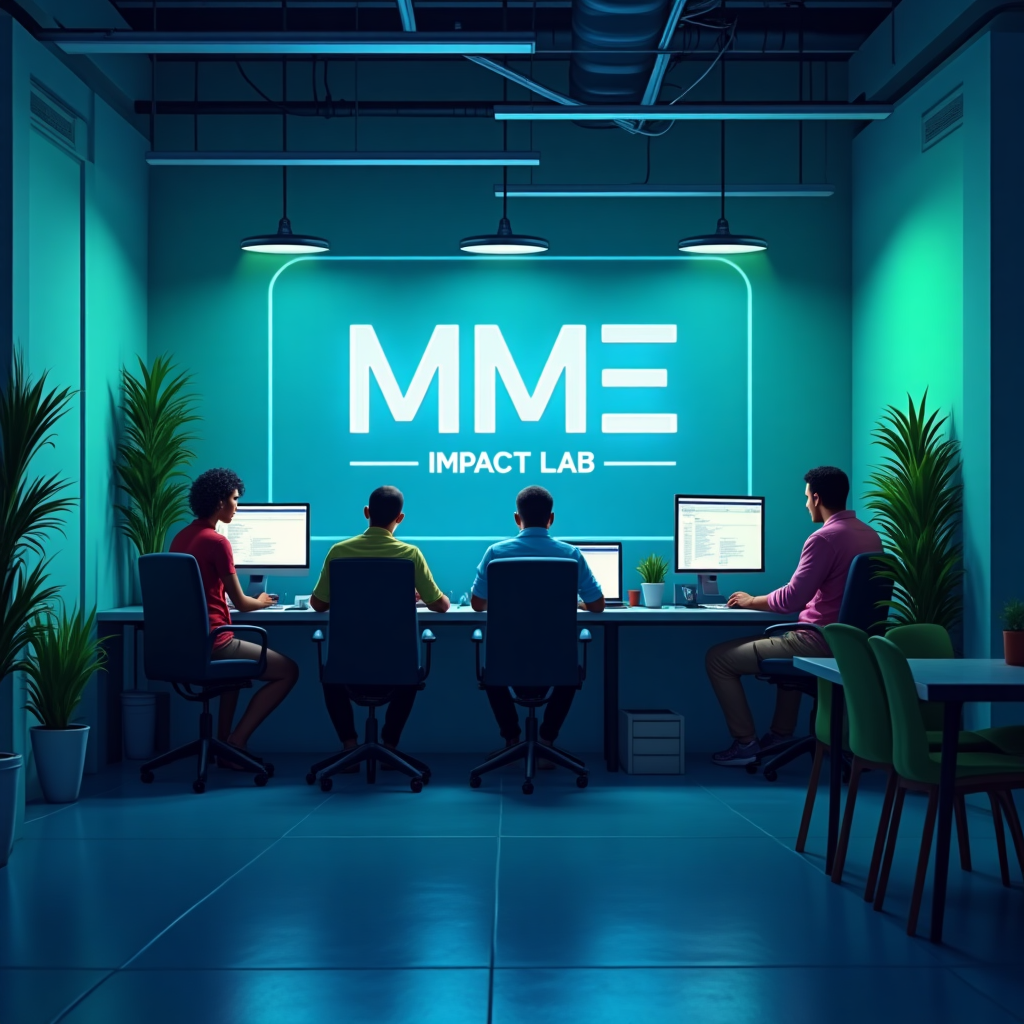
The shift to remote work has accelerated dramatically. Building a remote-first culture requires intentional effort and the right tools.
Building a Remote-First Culture: Best Practices The Shift to Remote-First The global workforce has undergone a fundamental transformation. Remote work, once considered a temporary response to the pandemic, has become a permanent fixture for forward-thinking organizations. A remote-first culture prioritizes distributed work by design, not as an exception. This approach unlocks access to global talent, reduces overhead costs, increases employee satisfaction, and often improves productivity. Core Principles of Remote-First Culture Communication Overload Management: Remote teams often suffer from excessive meetings and constant messaging. Best practices include asynchronous communication by default, documented decision-making, scheduled deep work blocks, and clear response time expectations. Trust-Based Performance: Traditional management relies on visible presence. Remote-first requires trust-based evaluation. Effective approaches include outcome-focused goals rather than activity tracking, regular but brief check-ins, transparent project dashboards, and elimination of unnecessary status meetings. Intentional Connection: Remote work can lead to isolation. Successful organizations build community through virtual coffee breaks and social channels, annual in-person gatherings, recognition programs that work across locations, and inclusive celebration of team achievements. Digital Infrastructure: A remote-first culture requires robust technology including reliable communication platforms such as Slack or Microsoft Teams, video conferencing for meaningful connection, project management tools for visibility, and cloud-based document collaboration. Documentation Culture: When teams are not co-located, information must be written down. Best practices include maintaining centralized knowledge bases, recording important meetings, standardizing onboarding documentation, and encouraging questions in public channels rather than private messages. Flexibility with Boundaries: Remote work offers flexibility but risks burnout. Effective policies include flexible hours with core overlap times, clear expectations about offline periods, encouragement of regular breaks, and manager training to recognize overwork signs. Common Challenges and Solutions Challenge: Zoom fatigue from excessive video calls. Solution: Implement camera-optional meetings and default to audio-only when video is unnecessary. Challenge: Difficulty onboarding new remote employees. Solution: Create structured onboarding buddy systems and comprehensive digital welcome packages. Challenge: Time zone coordination across continents. Solution: Establish rotating meeting times and rely on asynchronous updates. Challenge: Career development concerns. Solution: Deliberate virtual mentorship programs and transparent promotion pathways. Measuring Success Key metrics for remote-first culture include employee retention rates, engagement survey scores, productivity indicators aligned with outcomes, time-to-hire for remote positions, and internal promotion rates across locations. MME Impact Lab's Contribution MME Impact Lab helps organizations build and sustain remote-first cultures through technology solutions and consulting expertise. Recognizing that African organizations face unique challenges including unreliable internet connectivity, varying digital literacy levels, and diverse language needs, MME Impact Lab delivers tailored solutions. Core Offerings: Custom Collaboration Platforms: Organizations receive internal communication tools adapted to local network conditions, functioning effectively on low-bandwidth connections with offline capabilities. Remote Project Management Systems: MME Impact Lab deploys dashboards providing real-time visibility into distributed teams, task tracking, deadline management, and automated reporting. Virtual Onboarding Solutions: Structured digital onboarding workflows include automated document collection, role-based training modules, and virtual mentor assignments, all available in multiple languages. Performance Management Tools: Remote-first organizations require outcome-based evaluation. MME Impact Lab's platforms enable goal setting, continuous feedback, and transparent performance analytics. Cloud Infrastructure Setup: Secure, accessible systems for remote collaboration include document management, data storage, and application hosting with appropriate security controls. Digital Skills Training: MME Impact Lab provides training programs for remote work tools and best practices, customized for varying digital literacy levels and available in English, French, and Swahili. Differentiators: MME Impact Lab's solutions are mobile-optimized for African users, multilingual with interfaces in English, French, and Swahili, designed for low-bandwidth environments, and built with data security and privacy compliance for local regulations. Impact Example: A regional nonprofit organization with staff across six African countries partnered with MME Impact Lab to transition from office-centric to remote-first operations. MME Impact Lab deployed a custom collaboration platform, implemented project management dashboards, provided digital skills training in three languages, and established virtual onboarding workflows. Within eight months, the organization reported a 40 percent reduction in operational costs, improved staff retention, successful remote hiring across four new countries, and higher employee satisfaction scores. Conclusion Building a remote-first culture requires intentional design of communication practices, trust-based management, digital infrastructure, and community connection. Success depends on choosing tools and practices that work for the specific context of each organization. MME Impact Lab brings technical expertise, local knowledge, and multilingual capabilities to help African organizations navigate this transformation effectively. By combining global best practices with local realities, MME Impact Lab enables organizations to build remote-first cultures that are productive, inclusive, and sustainable.Learn how to create a thriving remote work environment that keeps employees engaged and productive.