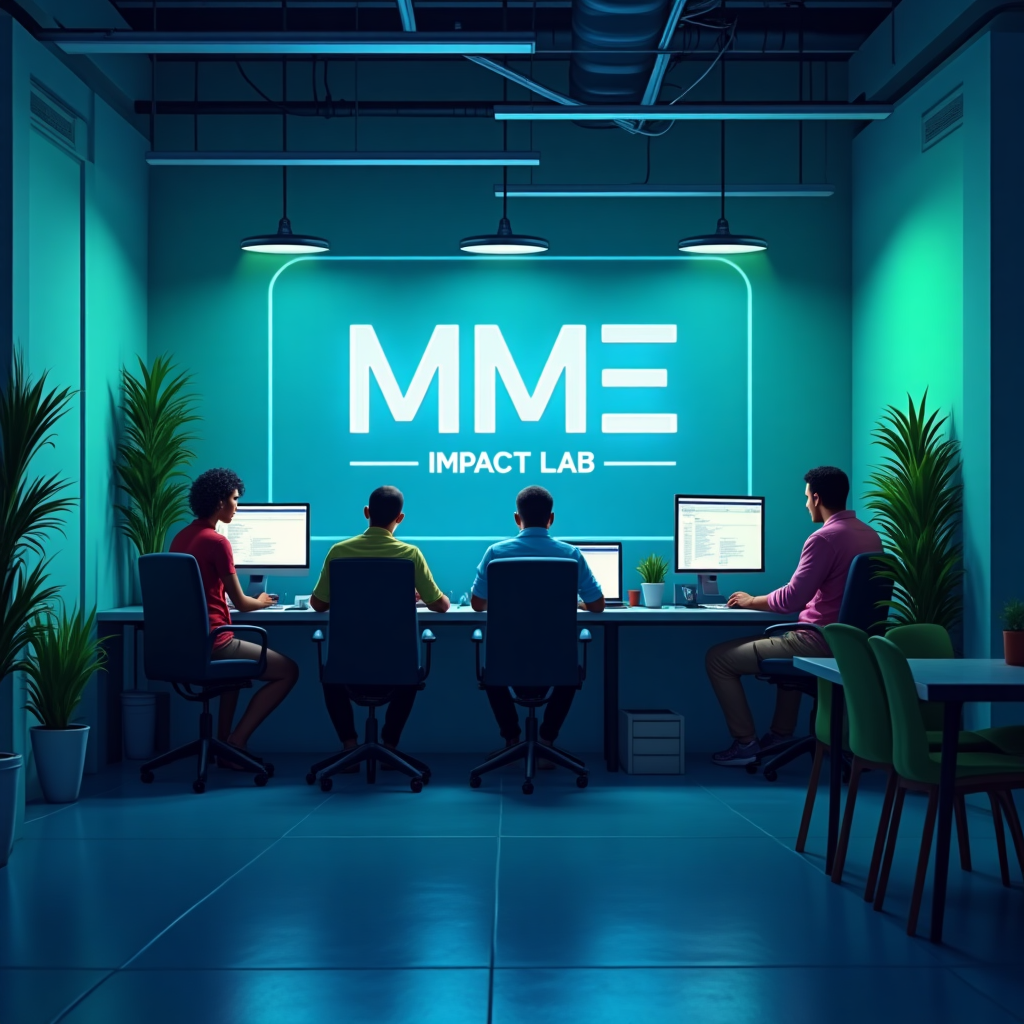
Digital inclusion is becoming increasingly important across Africa. With mobile technology penetration reaching new heights, communities are finding innovative ways to connect and grow.
MME Impact Lab: Empowering Africa Through Multilingual Technology The Challenge Africa has over 2,000 living languages, yet most digital platforms only support colonial languages such as English, French, and Portuguese. This excludes the majority of users who speak Swahili (100+ million speakers), Hausa (50+ million), Amharic (30+ million), and other major African languages. Consequently, 70 percent of African internet users prefer content in local languages, and business adoption rates drop by 60 percent when tools are only available in English. MME Impact Lab's Solution MME Impact Lab has built a multilingual technology framework across its web development, mobile applications, IT consulting, and cloud solutions. The platform is available in English, French, Swahili, and several other African languages with four core pillars: Website and App Localization: Full UI translation with dynamic content switching without page reloads. Multilingual Cloud Solutions: Dashboard interfaces in five core languages and document processing with native language support. Language-Inclusive Development: Font systems supporting special characters such as Amharic script and right-to-left compatibility for Arabic users. Localized Training Materials: IT courses and documentation available in English, French, and Swahili for community training programs. Impact Case Studies Agricultural Platform (Kenya and Tanzania): By fully translating a mobile app into Swahili and adding voice navigation, MME Impact Lab achieved a 320 percent increase in monthly active users and a 45 percent improvement in task completion rates among farmers. E-Government Portal (Francophone West Africa): Adding Hausa and Bambara language layers with voice-to-text functionality doubled citizen engagement within six months and reduced support queries by 80 percent. Technology Stack MME Impact Lab uses SmartCAT for continuous localization, custom natural language processing models for African languages, and employs native-speaking linguists for quality assurance. Future Roadmap By 2025, MME Impact Lab plans to add five more African languages to its core platforms, develop voice interfaces for low-literacy users, and partner with universities to preserve digital indigenous languages. Conclusion Language accessibility is fundamental to digital equality. MME Impact Lab's multilingual approach respects cultural identities, lowers barriers to technology adoption, and empowers communities in their native tongues, directly contributing to bridging Africa's digital divide.Exploring how technology is bridging the digital divide across the African continent.